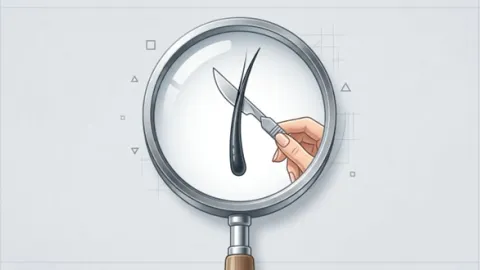
G 1/25 contains two principles that can pull against each other. A definition in the description may determine the meaning attributed to a claim term, but the description and drawings cannot be used…
Under Rule 106 EPC, a petition for review by the Enlarged Board (Art. 112a EPC) based on a procedural defect is generally admissible only if the defect was objected to during the appeal proceedings,…
As readers will be aware, last Thursday, the European Patent Office ("EPO")'s Enlarged Board of Appeal ("EBA") published a new decision (G 1/25) in the saga of referrals seeking guidance on the…
G 1/25, the long-awaited decision on adaptation of the description, was issued today. Adaptation will continue to be required at the EPO, but only if a claim amendment introduces an inconsistency…
This is just a short post on an interesting new development on exceptions to the EPO’s strict approach to admissibility on appeal. T 715/24 reason 2 suggests that claim interpretation is to be…
G 1/25 addresses a particularly controversial feature of EPO practice: the requirement to adapt the description. The long-anticipated hearing on G 1/25 took place on 8 May 2026, and unfolded in a…
In J 1/24, Board 3.1.01 (the Legal Board of Appeal) surprised many practitioners by treating a divisional filed after the publication of the mention of the grant as validly filed. As this went…
EPO practice on added matter is well known to be strict, with many patents being revoked using this principle every year. Particularly tricky during EPO opposition proceedings is the “inescapable…
In patent law, the concept of “prior art” or “state of the art” describes the universe of information which existed and was made available to the public by means of a written or oral description, by…