Close, but no cigar: even finding a new way of clearing the Rule 106 hurdle was not enough in R 6/24
September 30, 2026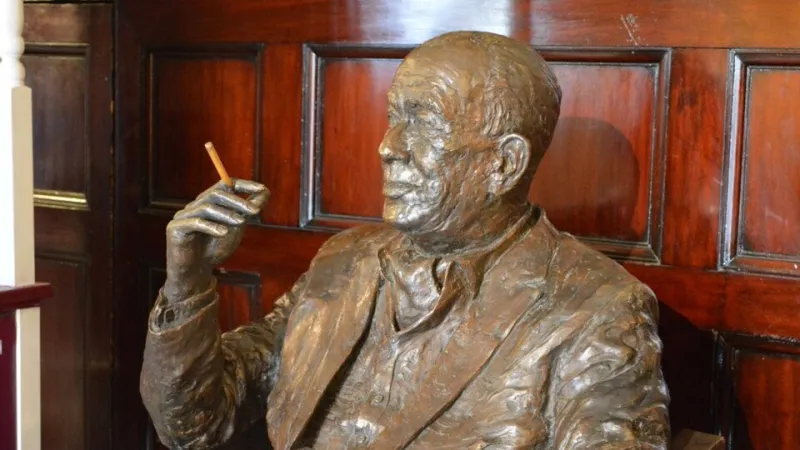
Under Rule 106 EPC, a petition for review by the Enlarged Board (Art. 112a EPC) based on a procedural defect is generally admissible only if the defect was objected to during the appeal proceedings, unless the objection could not be raised. R 6/24 outlines an interesting new exception to this requirement: the petition for review was still admissible even though the defect (ignoring opponent’s arguments) was foreshadowed in the preliminary opinion of the Board and hence could have been objected to during the appeal stage. The petition nevertheless failed: the omission of an argument from the written decision did not establish that it had been ignored. Close, but no cigar.
In their reasoning, the EBA distinguished between procedural acts that remain pending until the final decision and completed procedural acts having an immediate procedural consequence. Only the latter require an immediate objection under Rule 106 during the proceedings. Accordingly, the opponent was not required to object to statements in the Board’s preliminary opinion merely because they might later be reflected in the written decision. Article 113(1) EPC concerns the final decision, not preliminary comments. Requiring parties to object formally to every potentially unfavourable statement would also delay proceedings, since the Board would have to consider and decide each objection. In detail, point 5 of the reasons states (our translation):
“… it cannot be expected … that a party should, in the course of ongoing proceedings, lodge a formal objection to every single statement made by the Chamber, in the expectation that these statements will appear unchanged in the decision and might perhaps serve as grounds for an action for review. Such a practice would unduly delay the proceedings …”
The outcome was different for the Board’s decision not to admit the opponent’s later written submissions. This was a completed procedural act requiring an immediate and clearly recognizable Rule 106 objection. The minutes recorded such an objection only in relation to the non-admission of two documents, not the written submissions. A later request to correct the minutes could not remedy this, and the corresponding ground was therefore inadmissible.
Although the petition was admissible, the EBA still held it unallowable (as is the case for approximately 95% of all petitions!). In line with previous decisions, they confirmed that a Board need not expressly address every argument: there is a rebuttable presumption that the parties’ submissions were considered, and the omission of an argument from the reasons does not by itself establish a violation of Article 113(1) EPC. Review proceedings cannot be used to reassess the correctness of the Board’s substantive conclusions.
The decision therefore limits the need for defensive Rule 106 objections: there is no need to object pre-emptively to every missed argument in a preliminary opinion. However, once the Board makes an adverse procedural ruling with immediate effect, the objection should be raised clearly, linked to that particular ruling, and expressly dismissed by the Board before the proceedings are closed. That said, none of this changes the underlying calculus: the vast majority of petitions remain unsuccessful.
Matt Brown from London, England, CC BY 2.0 <https://creativecommons.org/licenses/by/2.0>, via Wikimedia Commons
Comments (0)
Your email address will not be published.
Become a contributor!
Interested in contributing? Submit your proposal for a blog post now and become a part of our legal community!
Contact Editorial Guidelines







You may also like

October 1, 2026



September 22, 2026