In the first part of this post I examined what GPT-NL's rightholder-aligned data sourcing policy costs in terms of model performance. Here I turn to a second question: do the rightholders who…
As in many other places the abrupt removal of access to Anthropic’s Fable model has caused a lot of hand wringing about dependency on US frontier AI models in the Netherlands. What makes the Dutch…
The European Copyright Society (ECS) recently published its Opinion on the interface of rights to access public sector information and copyright. The Executive Summary is reproduced below and…
The Law: A New Sui Generis Right Within CopyrightIn March 2026 the Cyprus House of Representatives amended the Copyright and Related Rights Law 59/1976, introducing a new sui generis right against…
On 12 May 2026, the CJEU issued its ruling in Meta (C-797/23). This case raised significant media attention. It focuses on the rights of publishers of press publications pursuant to Article 15…
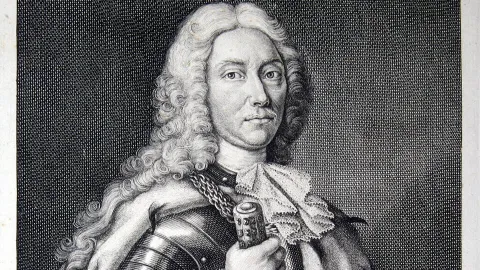
From Infopaq to the Cantemir manuscript: originality at its lower edge?The concept of the “work” is the cornerstone of copyright protection. Only works are capable of being protected (“…
The 48th session of the World Intellectual Property Organization’s (WIPO) Standing Committee on Copyright and Related Rights (SCCR) embraced the first text-based work on Limitations and…
With the launch of twin official consultations, we have entered into a new phase in the development of the EU’s future approach to copyright. Despite the Copyright in the Digital Single Market (CDSM…
Knowledge institutions – educational establishments, research organisations and cultural heritage institutions – occupy a central position in Europe’s research and innovation ecosystem. Yet their…
IntroductionOn 12 May 2026, the Grand Chamber of the Court of Justice of the European Union (CJEU) delivered its judgement in Case C-797/23, concerning interpretation of Article 15 of the Directive…