EUIPO - The interaction of law, public policy and morality
November 18, 2025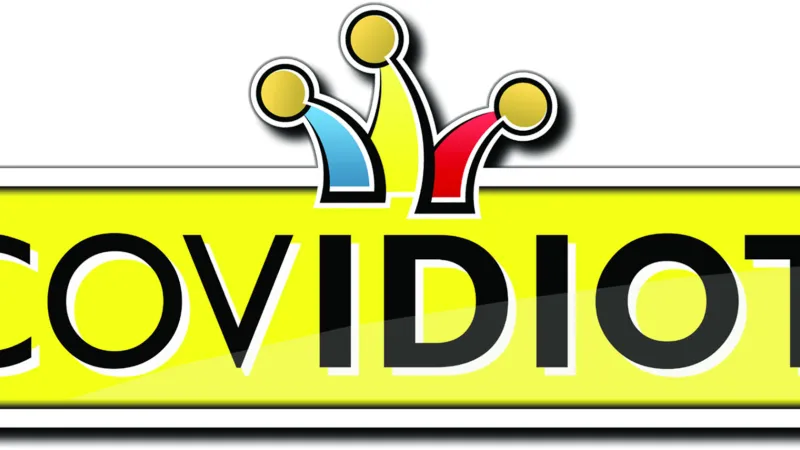
The concepts of law, public policy and morality in trademark law serve as absolute grounds for refusal under provisions such as Article 7(1)(f) of the European Union Trade Mark Regulation and Section 14(1)(2) of the Danish Trade Marks Act. These provisions aim to prevent the registration of marks that would undermine the legal order, offend public policy, or violate accepted principles of morality. Although the legislation does not define these terms precisely, their interpretation has evolved through EUIPO practice, case law and, more recently, the CP14 Common Practice.
Public policy encompasses fundamental norms and values underpinning the European legal order, including democracy, the rule of law and universal rights such as human dignity and equality. Morality reflects the ethical standards generally accepted by society at a given time. Both concepts are dynamic and assessed objectively, based on how a reasonable person with normal sensitivity and tolerance would perceive the sign in its social context. Freedom of expression is acknowledged but does not override these restrictions when a mark conflicts with essential societal values.
EUIPO case law illustrates the application of these principles vividly. In La Mafia se sienta a la mesa (T‑1/17), the General Court upheld refusal of a restaurant trademark because it trivialised organised crime, a clear affront to public policy. For further details on this case see Kluwer Trademark blog. Similarly, the Grand Board of Appeal in COVIDIOT (R 260/2021‑G, 16 May 2024) confirmed that mocking pandemic victims was contrary to accepted principles of morality, despite arguments based on freedom of expression.
Cannabis-related marks have also faced scrutiny. EUIPO consistently refuses marks that promote recreational cannabis use, particularly those featuring cannabis leaves or slang terms such as “weed”, on the grounds that they encourage illegal behaviour and thus contravene public policy. For example, in recent Board of Appeal decisions, marks depicting cannabis imagery for goods in Classes 3 and 34 were rejected because they were perceived as endorsing drug consumption, which remains prohibited in most EU jurisdictions. However, marks referring to medical cannabis have been treated differently, reflecting nuanced societal attitudes and the legalisation of medicinal use in some Member States.
The CP14 Common Practice, adopted in 2024, seeks to harmonise these assessments across Member States. It defines public policy as a set of fundamental norms and principles of EU societies, and morality as the moral values accepted at a given time. CP14 provides examples of signs likely to fall foul of these grounds: those linked to criminal activities, racist or extremist ideologies, vulgar or obscene language, well-known tragic events, or symbols held in high esteem. It also stresses that bad taste alone does not equate to immorality, and that freedom of expression must be considered, though not at the expense of overriding societal values.
In conclusion, the prohibition of marks contrary to law, public policy or morality safeguards the integrity of the trademark system and the public domain. It reflects a delicate balance between commercial interests, creative freedom and the collective norms that underpin European society. EUIPO decisions such as La Mafia, Covidiot and cannabis-related cases demonstrate how these principles operate in practice, ensuring that trademarks do not become vehicles for messages that society deems unacceptable and immoral.
Comments (0)
Your email address will not be published.
Become a contributor!
Interested in contributing? Submit your proposal for a blog post now and become a part of our legal community!
Contact Editorial Guidelines


You may also like
March 5, 2026

February 10, 2026
February 9, 2026
February 6, 2026