Interviews with Our Editors: Dr. Al-Mandhari, CEO of the Oman Commercial Arbitration Centre
July 31, 2026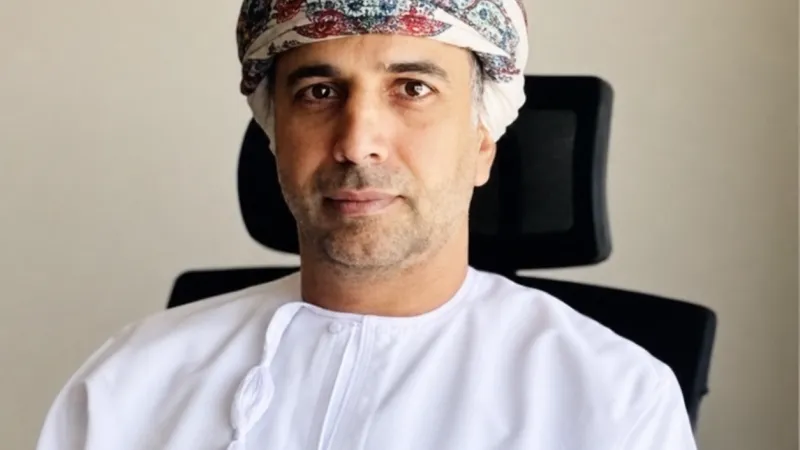
Welcome to the Kluwer Arbitration Blog, Dr. Al-Mandhari. We are grateful for this opportunity to learn more about the Oman Commercial Arbitration Centre (“OCAC”) and your experience with international arbitration in the region. You joined the OCAC in June 2025 as the CEO to lead its transformation toward greater institutional strength and a stronger global footprint. As a practitioner with over 26 years of experience in law, corporate affairs, governance, and strategy, you have held several leadership positions across various sectors and hold both a master’s degree and a PhD in law from the United Kingdom, along with executive qualifications from other prestigious international institutions such as Oxford and IMD.
1. You joined the OCAC at a historic junction, 4 years after commencing operations. Could you describe the key steps and milestones in the establishment of the OCAC from 2018 to the start of operations in 2021?
The establishment of the OCAC under Royal Decree No. 26/2018 on 17 October 2018 marked an important step in strengthening Oman’s dispute resolution framework and supporting investor confidence in the Sultanate. Between 2018 and 2021, the OCAC focused on building its operational foundations, establishing governance structures, developing its arbitration framework, and preparing for the administration of cases in line with international standards.
The OCAC registered its first arbitration case in April 2021, marking the commencement of its case administration activities and a new chapter for institutional arbitration in Oman. Since then, it has steadily expanded its caseload, strengthened its international partnerships, and established itself as a credible regional arbitral institution.
2. How has the OCAC’s case intake and caseload profile developed since 2021?
The OCAC's caseload has grown steadily since commencing operations in 2021, both in terms of volume and complexity. Between 2021 and 2025, the OCAC administered 34 arbitrations with a cumulative dispute value exceeding USD 300 million, spanning sectors such as construction, infrastructure, energy, commercial transactions, and services.
The annual caseload has remained consistently strong, with 7 cases registered in 2021, 4 in 2022, 9 in 2023, 5 in 2024, and 9 in 2025. While the number of cases is important, we consider the increasing complexity and international profile of the disputes to be an even more significant indicator of the institution's growth.
We have seen a growing number of disputes involving foreign parties, international counsel, and cross-border commercial relationships. This confidence in the OCAC is reflected not only in contracts that designate the OCAC as the administering institution from the outset, but also in cases where parties have subsequently converted ad hoc arbitration agreements into OCAC-administered arbitrations or, after a dispute had arisen, jointly agreed to refer their dispute to the OCAC for institutional administration.
3. Do these milestones dovetail with the launch of the Muscat Arbitration Days? Could you speak to how the Muscat Arbitration Days started and how you see the annual conference evolving?
The inaugural Muscat Arbitration Days took place from 2-4 December 2025. It marked a major milestone for the OCAC and for Oman’s arbitration landscape more broadly. The inaugural edition brought together more than 1,500 participants and over 50 speakers from Oman and around the world across a series of high-level discussions, and networking events.
The event positioned Oman firmly within the regional and international arbitration calendar and created an important platform for dialogue between practitioners, institutions, businesses, and government stakeholders.
Following the success of the inaugural edition, the OCAC is already preparing for Muscat Dispute Resolution Days 2026 which is scheduled between 6-8 December 2026, with the ambition of expanding its international reach and further strengthening Oman’s profile as a credible arbitration hub.
4. Do you see these developments aligning with Oman Vision 2040 and the country’s broader economic diversification goals?
Absolutely. The OCAC’s development is closely aligned with Oman Vision 2040, particularly in relation to strengthening legal infrastructure, enhancing investor confidence, attracting foreign investment, and supporting private sector growth.
Efficient dispute resolution mechanisms are essential for any modern economy. Through institutional arbitration, international partnerships, legal innovation, and professional training initiatives, the OCAC contributes directly to creating a more attractive and commercially secure investment environment in Oman.
5. If we look further afield to Oman’s neighbors, what do you think are comparative advantages that Oman has to offer as a seat of arbitration relative to established regional hubs?
Oman offers a number of important advantages as a seat of arbitration. These include political neutrality, a stable legal environment, geographic connectivity between key markets, and a modern arbitration framework based on internationally recognised principles.
In addition, Oman offers a balanced and commercially practical approach to dispute resolution. Combined with the OCAC’s competitive fee structure and modern institutional approach, this creates an attractive environment for regional and international users alike.
6. You have also embarked on a number of exciting projects including the revision of the OCAC Arbitration Rules. What are the principal goals behind the latest revision of the Rules and can you speak about some of the major changes?
The revision of the OCAC Arbitration Rules has been one of the Centre's most significant strategic initiatives. Our objective was to modernise the Rules in line with international best practices while ensuring that they remain practical, efficient, and responsive to the needs of arbitration users in Oman and across the region.
The revised Rules introduce several important enhancements, including a formal draft award scrutiny mechanism, under which draft awards are reviewed by the OCAC as to form before they are issued. The Rules also establish a comprehensive framework governing the appointment and role of tribunal secretaries, strengthen arbitrators' disclosure obligations by requiring them to confirm their independence, impartiality, availability and ability to devote sufficient time to the proceedings, and introduce greater flexibility for electronic communications and virtual hearings.
Collectively, these reforms enhance procedural efficiency, transparency, and the overall quality of the arbitral process.
7. How do the revised Rules address multi‑party, expedited and emergency relief scenarios commonly seen in modern commercial disputes?
The revised Rules have been comprehensively modernised to provide greater procedural flexibility, improve efficiency, and better reflect the evolving needs of contemporary commercial dispute resolution.
One of the most significant changes is the increase in the monetary threshold for Expedited Arbitration from OMR 500,000 to OMR 1 million. This revision recognises the substantial growth in the value and sophistication of commercial transactions in Oman and across the region, as well as the fact that many disputes—including those of a specialised or less procedurally complex nature—can be resolved fairly and efficiently through an expedited process, notwithstanding their higher monetary value.
Ultimately, this amendment reinforces the Centre's objective of delivering arbitration that is not only faster and more cost-effective but also proportionate to the needs of modern commercial disputes.
8. Speaking of projects, the OCAC has also put considerable efforts towards the expansion of international partnerships and innovating digital case management solutions. How do these initiatives translate into tangible benefits for users?
Over the past year, the OCAC has significantly expanded its international cooperation efforts through partnerships and Memoranda of Understanding with leading arbitration institutions across the GCC, Asia, Europe, and beyond.
These collaborations support knowledge exchange, professional development, institutional cooperation, and international visibility for Oman’s arbitration community.
At the same time, the OCAC is advancing its digital transformation strategy through the development of a comprehensive case management platform aimed at improving efficiency, accessibility, transparency, and user experience in case administration.
9. What concrete initiatives are you presently running or are planning to run to increase the representation of younger practitioners, women, and regional legal talent?
The OCAC continues to invest heavily in training, mentorship, and capacity-building initiatives aimed at developing the next generation of arbitration practitioners in Oman and the wider region, with a particular focus on supporting women, young practitioners and emerging legal talent.
Over the past year, the OCAC organised and participated in numerous regional and international events, training programmes, and institutional collaborations focused on professional development and knowledge exchange and creating opportunities for greater participation within the arbitration community.
The OCAC also places particular emphasis on supporting the participation of young practitioners. As part of this commitment, the OCAC has launched its flagship Arbitration Moot Competition this year for law schools across the Sultanate of Oman, providing students with practical exposure to international arbitration and advocacy. The inaugural edition of the competition will culminate in the final rounds during the Muscat Dispute Resolution Days in December 2026, creating a unique platform for law students in Oman to engage with leading arbitration professionals from Oman and around the world.
Following a year of significant institutional growth, international expansion, and the successful completion of Muscat Arbitration Days 2025, the Centre now looks forward to concluding the Muscat Dispute Resolution Days 2026 on an even stronger note — with the ambition of surpassing last year’s achievements across all areas of institutional development, international engagement, and capacity building initiatives.
Thank you, Dr. Al-Mandhari, for sharing these insightful views on the growth and vision of the OCAC. We wish you and OCAC the best!
This interview is part of Kluwer Arbitration Blog’s “Interviews with Our Editors” series. Past interviews are available here.
Comments (0)
Your email address will not be published.