IP Meets AI: Disney’s Deal with OpenAI
January 28, 2026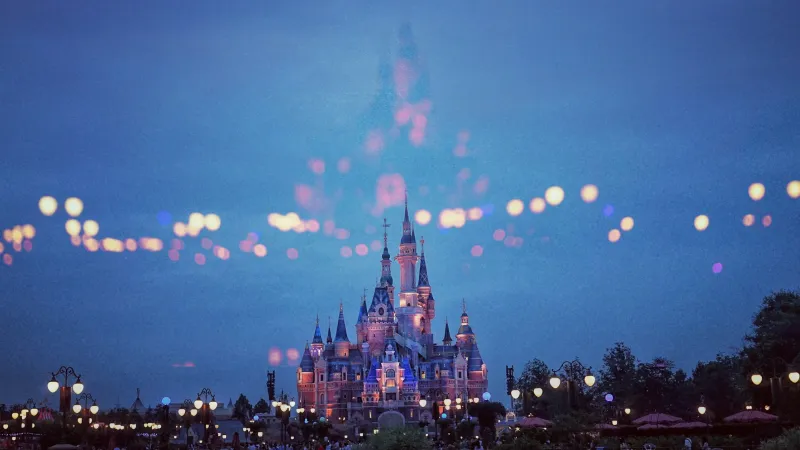
Generative AI has triggered a wave of legal uncertainty in copyright law, with over 70 lawsuits worldwide challenging the unlicensed use of creative works in AI training. The recent deal between Disney and OpenAI could signal a turning point. Rather than fight in courts, Disney has licensed over 200 of its most valuable characters to OpenAI’s Sora platform in exchange for equity, transforming litigation into a possible strategic alliance.
But this isn’t just a licensing play; it could suggest a new model for resolving the AI–IP standoff: collaborative frameworks where rights holders and tech companies co-design value-sharing mechanisms, governance standards, and licensing architectures for the AI era.
What’s in the Deal?
At its core, the agreement has several pillars:
● A three-year licensing agreement allowing OpenAI’s Sora app to include more than 200 characters from Disney, Pixar, Marvel, and Star Wars in user-generated videos and images.
● Integration of selected fan-generated AI content into Disney+, marking a rare crossover from AI-created works into a mainstream entertainment platform.
● A $1 billion equity investment, plus stock warrants allowing Disney to increase its stake if OpenAI’s valuation grows, signaling a financial alignment between creative IP holders and AI platforms.
● Internal deployment of OpenAI tools across Disney’s operations, spanning content workflows, product development, and audience engagement initiatives.
Together, these pillars bring a new proposal for how intellectual property can operate within the AI economy. Notably, they sidestep the legal ambiguities around fair use and training data by using private contracts to define new rules of engagement.
From Litigation to Licensing: A New IP Market Architecture
The timing of this deal is no coincidence. Courts in the U.S., Europe, and Asia are grappling with lawsuits over whether AI training on copyrighted works constitutes infringement. The outcomes remain uncertain, and rights holders are increasingly anxious about how generative AI models extract and remix cultural capital without consent or compensation.
Rather than waiting for legislative reform or judicial clarity, Disney and OpenAI are designing their own legal infrastructure. As explored in my earlier blog post, AI is testing the boundaries of copyright law, pushing stakeholders to negotiate new frameworks where innovation and rights protection can co-exist. This is part of a broader shift in the digital economy: “private ordering” through contracts and platform governance is stepping in where statutory law has lagged. The Disney–OpenAI deal effectively preempts the courtroom by creating a market-based system where IP access is negotiated, compensated, and controlled.
However, this model is not without its critics. Private contracts, while expedient, often privilege large players with bargaining power, leaving independent creators and smaller rights holders with little leverage or visibility. These agreements do not necessarily resolve systemic questions about AI training data, derivative works, or fair remuneration across jurisdictions. Moreover, private licensing frameworks could entrench power asymmetries, replicating past inequities under the guise of innovation.
It is also important to consider that licensing is not the only path forward. Regulatory reform, collective licensing regimes, or technical solutions like metadata tagging and rights registries could offer inclusive and transparent alternatives. As the legal terrain continues to evolve, a mix of models - public, private, and hybrid - may be necessary to safeguard rights while fostering innovation.
The Creators’ Dilemma: Value, Labor, and Legal Gaps
Not everyone is celebrating. The Writers Guild of America East has voiced concerns about how such licensing deals may sideline human creators and devalue creative labor. As the Guild stated, companies like OpenAI have "stolen vast libraries of works owned by the studios and created by WGA members and Hollywood labor to train their artificial intelligence systems," raising urgent questions about creative compensation and control. While Disney’s structured licensing may offer legal clarity, it doesn’t resolve broader questions about authorship, attribution, or the economic displacement caused by generative AI.
This highlights a deeper challenge: as private deals could become the new norm, creators operating outside major ecosystems may be left with limited bargaining power and few protections. Without systemic legal frameworks, the benefits of AI monetization could remain concentrated among tech giants and legacy IP holders.
The emergence of a new class of synthetic media creators, trained on decades of human-generated content, also raises fundamental questions: Who gets to participate in this new economy? Who sets the terms? And what happens to the economic and cultural value of original works in the process?
Why Equity Matters: From Fees to Future Value
One of the most intriguing features of the deal, as reported by Bloomberg, is its financial structure. Disney opted not to receive traditional licensing fees upfront. Instead, most of the compensation is structured as tied to OpenAI’s performance.
This reflects a shift in how IP value is conceived in the age of AI. Rather than monetizing past works through one-time fees, rights holders like Disney are now betting on the future value of the platforms that use their content. Equity-based compensation aligns incentives between rights owners and tech companies, offering a shared stake in the success of AI-powered media ecosystems.
Yet, this too raises questions. Equity stakes are normally inaccessible to smaller creators or rights holders, and they introduce speculative risk. As a model, it could reward institutional players while excluding those without the resources, the capacity, or the legal infrastructure to engage on such terms.
What This Means for the Future of Media Law
The Disney–OpenAI agreement could reshape how IP is governed in the AI era:
● It may accelerate a shift from rights enforcement to platform-based licensing models.
● It establishes financial structures where rights holders participate in AI platform growth.
● It signals that legal innovation can emerge from private strategy, not just public regulation.
But it also exposes the limitations of relying solely on private arrangements to govern public cultural and legal challenges. Lawmakers, courts, and multilateral bodies must still grapple with the foundational questions that private deals sidestep. Transparency, equity, and universal access remain unresolved.
For legal professionals, the message is clear: the future of IP will be negotiated in boardrooms as much as in courtrooms. As generative AI transforms media, entertainment, and creative industries, firms that can architect these new legal and commercial frameworks will be central to shaping the next chapter of copyright law.
Photo by PAN XIAOZHEN on Unsplash
Comments (0)
Your email address will not be published.


You may also like


February 18, 2026