


From the Editors of Kluwer Arbitration Blog: 2025
December 25, 2025
As 2025 draws to a close, it invites reflection not only on the contributions published on the Kluwer Arbitration Blog over the past year, but more importantly on what the year’s thematic patterns reveal about the evolving landscape of international arbitration.
With the Blog set to celebrate its 17th anniversary in January 2026, this moment also invites recognition of the exceptional work of our Editors. Comprising more than 50 Editors from a remarkable diversity of jurisdictions, legal traditions, and linguistic backgrounds, the Editorial Team is the driving force behind the Blog’s consistently high quality and continued success. The Editorial Board is led by Prof. Dr. Crina Baltag, Managing Editor, together with Prof. Roger Alford, General Editor, and Associate Editors Maria Fanou, Kiran Nasir Gore, Khushboo Shahdadpuri, Emma Garrett, and Anne Wang.
Throughout 2025, the Blog continued to serve as a vibrant forum that brings together doctrinal analysis, practical insights, and broader systemic inquiries. This year’s contributions reflect an arbitration community actively reassessing foundational assumptions concerning neutrality, enforceability, and institutional design, all against a backdrop of heightened geopolitical, economic, and regulatory pressures.
A significant number of posts examined how escalating trade tensions, evolving sanctions regimes, and geopolitical fragmentation are shaping both commercial and investment arbitration. These contributions explored the extent to which arbitration can remain insulated from political dynamics that increasingly shape party behavior, the enforcement of awards, and the very functioning of arbitral institutions. Together, they signal a broader recalibration within the field.
Investment arbitration remained a central focus of discussion in 2025, particularly in relation to sovereign immunity, jurisdictional limitations, and the enforcement of awards. Analyses of disputes involving State actors underscored the persistent tension between arbitral authority and domestic or supranational legal orders. Collectively, these discussions highlight a growing attentiveness to the limits of arbitration when it operates at the intersection of private adjudication and public governance.
Alongside these core themes, the Blog’s 2025 content reflected a continued diversification of topics. Contributions on sports arbitration examined the interplay between arbitral autonomy and judicial oversight—particularly in the context of EU law—demonstrating how sector-specific disputes can have broader systemic implications for arbitration as a whole. Similarly, posts on intellectual property and technology-related disputes explored how arbitration is adapting to meet the demands of innovation-driven industries, highlighting both the opportunities presented by rapid technological change and the corresponding need for specialized expertise.
Image
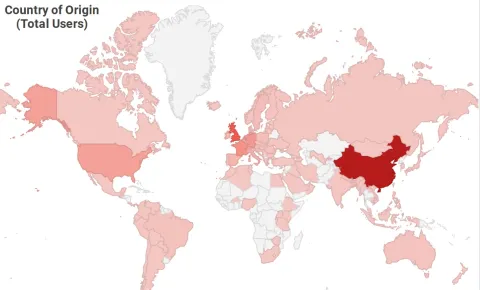
As in previous years, we also continued to raise awareness of diversity in international arbitration while reflecting on the geographical distribution of the Blog’s readership. Data from 2025 further underscores arbitration’s truly global character, with readers engaging from over one hundred jurisdictions. While readership from Asia continues to rise, Africa remains relatively underrepresented, an imbalance that warrants continued attention and reflection.
The overall picture from 2025 depicts an arbitration community that is simultaneously global and fragmented: global in its reach, participation, and breadth of subject matter, yet fragmented across jurisdictions, legal cultures, and regulatory frameworks. Within this landscape, the Kluwer Arbitration Blog holds a distinctive position, providing a space where these dynamics can be critically examined. The experience of 2025 reconfirmed that readers value rigorous analysis grounded in legal reality. As Editors, our responsibility is to maintain the Blog as a forum where such analysis can continue to develop.
We thank you for your continued support and engagement. We extend our best wishes for the festive season and wish you an excellent 2026 filled with peace, health, and joy.
Prof. Dr. Crina Baltag
Managing Editor
on behalf of the Editorial Board
Comments (0)
Your email address will not be published.



You may also like


February 26, 2026

February 23, 2026
February 21, 2026